Understanding IPTV: A Primer for New Users
In the age of digital content consumption, IPTV (Internet Protocol Television) has emerged as a revolutionary method for accessing television programming. Unlike traditional cable methods that rely on satellite or cable networks to transmit signals, IPTV allows viewers to stream content over the internet, providing greater flexibility and a wider range of viewing options. As this technology becomes more prevalent, understanding the nuances of IPTV and how to choose the right IPTV Provider is crucial for an optimal viewing experience. This article delves into the fundamentals of IPTV, its benefits, common misconceptions, and how to select an appropriate provider.
What is IPTV and How Does it Work?
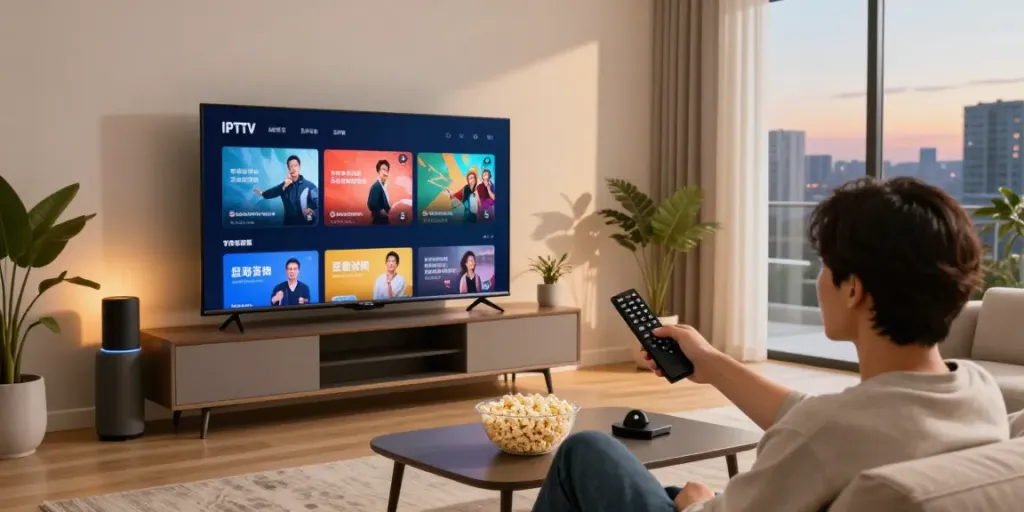
IPTV is a system where television services are delivered using the Internet Protocol suite instead of traditional terrestrial, satellite signal, or cable television formats. This technology enables viewers to access live TV broadcasts and on-demand content via any internet-connected device, such as smart TVs, tablets, or smartphones. IPTV works by converting the television signal into data packets, which are then transmitted over the internet. The convergence of traditional television programming and modern internet technology marks a significant change in how audiences consume video content.
Key Benefits of Choosing an IPTV Provider
- Cost-Effectiveness: IPTV services often provide more affordable subscription options than traditional cable services, with many providers offering competitive pricing for extensive channel lineups.
- Wide Range of Content: IPTV providers typically offer diverse content options, including international channels, movies, and on-demand services that cater to various interests.
- Flexibility and Mobility: IPTV allows users to watch their favorite shows anytime and anywhere, as long as they have internet access, making it an excellent option for those with busy lifestyles.
- Enhanced Features: Many IPTV services come with added features such as cloud DVR, replay functions, and interactive content that enhance the viewing experience.
Common Myths About IPTV Services
Despite its growing popularity, there are several misconceptions surrounding IPTV. One common myth is that IPTV is illegal. While some providers may offer unauthorized content, many IPTV services operate legally by securing the necessary licenses. Another misconception is that IPTV requires extensive technical knowledge or setup; however, most providers now offer user-friendly interfaces and straightforward installation processes. Lastly, some believe that IPTV offers inferior quality compared to traditional broadcasting, but advancements in streaming technology have led to the availability of high-definition (HD) and even 4K content.
Choosing the Right IPTV Provider for Your Needs
Selecting the right IPTV provider can significantly influence your overall viewing experience. With numerous options available, focusing on key factors can help narrow down your choices and find a service that suits your viewing habits. Whether you're interested in sports, movies, or international programming, understanding what each provider offers is essential.
Factors to Consider When Selecting an IPTV Provider
- Content Selection: Review the channel lineup and on-demand content to ensure it aligns with your preferences. Different providers may focus on specific genres such as live sports, movies, or news.
- Streaming Quality: Check the provider's streaming capabilities, including resolution options (SD, HD, 4K) and whether they can handle your internet speed effectively without buffering.
- Device Compatibility: Ensure that the IPTV service is compatible with the devices you own. Many IPTV providers support a range of devices, including smart TVs, set-top boxes, and mobile devices.
- Customer Support: A reliable customer support team can be invaluable, especially if you encounter technical issues. Look for providers that offer multiple support options, such as live chat, email, and forums.
- Pricing Structure: Review the pricing plans to find one that fits your budget. Be wary of hidden fees and understand the subscription terms before committing.
Comparison of Top IPTV Providers in 2026
To assist you in making an informed decision, here is a comparison of some of the top IPTV providers available in 2026:
- DigitaLine IPTV: Known for its reliability and extensive channel offerings, this provider includes numerous international channels that cater to diverse audiences.
- StreamKing IPTV: A favorite among sports enthusiasts, StreamKing IPTV provides comprehensive coverage of live sports events and associated programming.
- NovaStar IPTV: Especially popular with beginners, NovaStar IPTV offers easy navigation, affordable pricing, and a solid channel lineup.
- Smartiflix: Renowned for its focus on user-friendly experiences, Smartiflix connects seamlessly to a variety of devices and supports expansive on-demand content.
IPTV Subscriptions: What You Need to Know
Understanding the subscription models of IPTV services is crucial for maximizing your viewing experience. Most IPTV providers offer monthly, quarterly, or yearly subscription plans, with discounts often available for longer-term commitments. When selecting a plan, consider your viewing habits; if you watch frequently, a longer subscription may provide better value. Additionally, some providers offer free trials, allowing potential subscribers to test services before committing.
Setting Up Your IPTV System
Once you've selected your IPTV provider, the next step is to set up your streaming system. This process can vary slightly depending on the service, but the general guidelines remain consistent.
Essential Equipment for IPTV Streaming
- High-Speed Internet Connection: A stable and fast internet connection is essential for seamless streaming. Wi-Fi networks with a minimum speed of 25 Mbps are recommended for HD streaming.
- Compatible Device: Ensure you have a supported device, such as a smart TV, streaming box, or smartphone. Many IPTV providers have dedicated apps for popular platforms.
- HDMI Cable: If using a set-top box, an HDMI cable will be necessary to connect the box to your TV for high-quality video output.
Step-by-Step Setup Guide for New Users
Setting up your IPTV service typically involves the following steps:
- Connect your device: Depending on your device, connect it to your TV using an HDMI cable if needed.
- Download IPTV App: Install your IPTV provider's application from the app store or the provider’s website.
- Login: Open the app and log in using the credentials provided by your IPTV subscription.
- Configure Settings: Customize any settings such as language, aspect ratio, and parental controls as per your preferences.
- Start Streaming: Browse through the available channels and content to start enjoying your IPTV experience!
Troubleshooting Common IPTV Setup Issues
While setting up IPTV is generally straightforward, users may encounter issues. Here are some common problems and their solutions:
- Buffering or Streaming Issues: Check your internet connection speed and reduce network congestion by limiting the number of devices connected at the same time.
- App Not Loading: Ensure the app is updated to the latest version and try restarting your device or router.
- Account Login Problems: Double-check your login credentials and contact customer support if issues persist.
Content Availability and Streaming Quality
One of the key factors to consider when using IPTV is the availability and quality of content. Unlike traditional cable, which offers a fixed lineup of channels, IPTV can vary significantly based on the provider.
What to Expect in Terms of Channel Lineup
Most IPTV services provide a range of channels that include local, national, and international broadcasts. The channel availability often depends on regional licensing agreements and content partnerships. Many providers offer packages that can be customized to focus on specific genres of interest, such as sports, entertainment, or news.
Understanding Streaming Quality Options with IPTV
IPTV services generally offer various streaming quality options, which can affect both viewing experiences and data consumption:
- Standard Definition (SD): Suitable for slower internet connections, but lacks the clarity of HD content.
- High Definition (HD): Offers better picture quality and is the standard for most modern IPTV services.
- Ultra High Definition (4K): Provides the best quality but requires a robust internet connection and compatible hardware.
Regional Differences in Content Availability
It’s essential to note that content availability can differ based on geographical locations due to licensing restrictions. Some IPTV providers offer region-specific content which may limit your choices if you travel frequently. Researching providers that offer VPN options may enable access to broader content libraries while traveling.
The Future of IPTV and Emerging Trends
The landscape of IPTV is continuously evolving, with new innovations and trends influencing how content is delivered and consumed.
Innovations Shaping the IPTV Landscape in 2026
Advancements in technology, including the use of AI and machine learning, are beginning to transform IPTV services. Providers are increasingly using data analytics to offer personalized content recommendations, improving user engagement and satisfaction. Enhanced user interfaces and integration with IoT devices also mark a significant trend, making it easier for consumers to interact with their home entertainment systems.
Predicted Trends for IPTV Providers
- Increased Focus on Original Content: More providers will likely invest in producing exclusive content to attract and retain subscribers.
- Integrating Social Features: Expect to see more interactive elements, allowing users to share experiences and content recommendations.
- Expansion of Bundled Services: IPTV services may increasingly bundle their offerings with other streaming services, creating more value for consumers.
How to Stay Ahead in the Changing IPTV Market
To remain competitive, both consumers and providers need to adapt to the rapidly changing IPTV market. Consumers should stay informed about the latest offerings, technology advancements, and changes in pricing structures. Providers, on the other hand, must focus on customer experience, diversity in content, and innovative features to ensure they meet the evolving demands of viewers.
What are the best IPTV service providers?
The best IPTV service providers in 2026 will vary based on individual needs and preferences, but services like DigitaLine IPTV and StreamKing IPTV are projected to remain at the top due to their reliability and extensive content offerings.
How do I switch from cable to an IPTV provider?
Switching to IPTV is straightforward. First, assess your needs and choose a suitable IPTV provider. Next, cancel your cable subscription, ensuring that you save any pertinent equipment for return, then set up your IPTV service as outlined above.
Are IPTV subscriptions worth the cost?
For many users, IPTV subscriptions are worth the investment when considering the flexibility, range of content, and overall convenience they provide compared to traditional cable services.
How does IPTV work with smart TVs?
IPTV can work seamlessly with smart TVs through dedicated applications, allowing users to download their provider's app directly onto their smart TV for easy access to programming.
What should I look for in an IPTV provider?
When choosing an IPTV provider, consider factors such as content selection, streaming quality, device compatibility, and customer support to ensure that you select a service that meets your viewing needs.