Understanding Hair Extensions: Types and Benefits
Hair extensions are a transformative beauty solution that offers instant length, volume, and style variety to individuals seeking to elevate their hair game. Whether you're preparing for a special occasion or simply looking to change your everyday look, the versatility of hair extensions can be a game-changer. From clip-ins to tape-ins, there's a type and style suitable for every hair type and need. When exploring options, hair extensions can provide comprehensive insights into the various types available and how they can enhance your hairstyle.
What Are Hair Extensions?
Hair extensions are strands of synthetic or human hair that can be added to your natural hair to create added length, volume, or color. These extensions can be integrated in various ways, depending on the method used, and can be temporary or permanent. Typically made from either synthetic fibers or 100% Remy human hair, the quality of hair extensions greatly influences their appearance and longevity.
Types of Hair Extensions Available
There are several types of hair extensions on the market, each with its unique installation method and advantages:
- Clip-In Extensions: These are ideal for temporary use as they can be easily applied or removed, allowing for flexibility in styling.
- Tape-In Extensions: These extensions provide a more semi-permanent solution, adhering directly to sections of natural hair using a medical-grade adhesive.
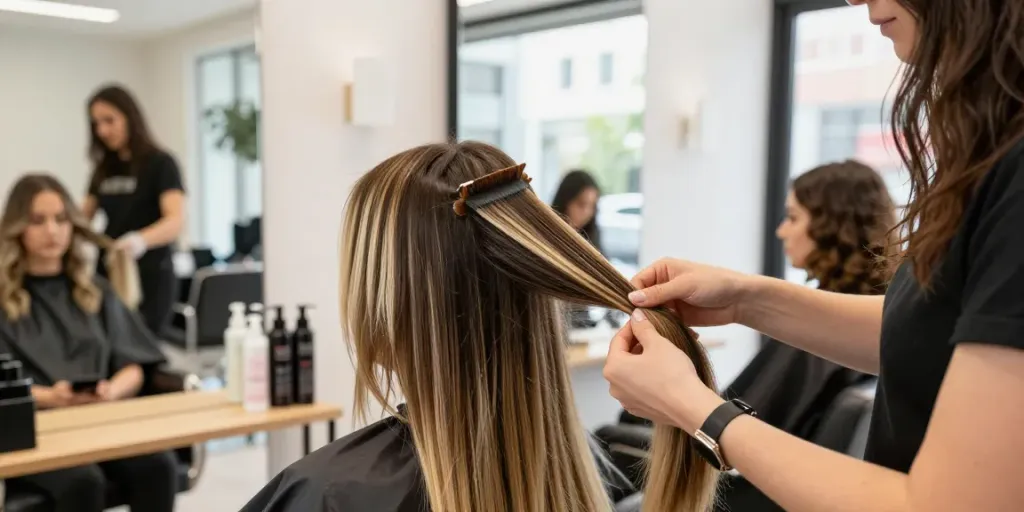
- Sew-In Wefts: Hair wefts are sewn onto cornrowed sections of your natural hair, which is a more permanent solution typically done in a salon.
- Micro-Link Extensions: Small strands of hair are attached to the natural hair using tiny beads, allowing for a seamless blend without glue or heat.
Benefits of Using Hair Extensions
The benefits of incorporating hair extensions into your daily styling routine are numerous:
- They add volume and length quickly.
- Extensions can boost your confidence by offering a new look.
- They allow for experimentation with color and style without the commitment of a permanent change.
- Some types, like clip-ins, can protect your natural hair from heat styling and other damaging processes.
Choosing the Right Hair Extensions for Your Needs
Selecting the perfect hair extensions goes beyond aesthetic preferences; it's essential to consider compatibility with your hair type and lifestyle. Choosing the right extensions not only affects how natural they look but also their longevity and your comfort.
Hair Extensions for Different Hair Types
When selecting hair extensions, consider the texture and thickness of your natural hair. For individuals with fine hair, lightweight extensions that won't pull on the scalp are crucial. On the other hand, thicker hair can support the use of heavier extensions. For curly or textured hair, opt for extensions that match your curl pattern for a seamless blend.
How to Select the Best Color Match
The color of your extensions should complement your natural hair color for the most realistic appearance. To find the best match, consider the following tips:
- Choose extensions that are one to two shades lighter or darker than your natural color to achieve dimension.
- For balayage or ombre styles, select extensions that progressively transition between colors.
- Consider a consultation with a professional stylist to find the perfect match.
Understanding Extension Installation Methods
Each extension type has a different installation method, which is crucial to understand before making a purchase. For example, tape-in extensions require professional application for best results, while clip-ins can be a DIY option for those who prefer flexibility. Understanding these differences will help you make an informed choice based on your hair care routine and lifestyle.
Application Techniques and Best Practices
Applying hair extensions correctly is vital for achieving a natural look and ensuring their longevity. Following best practices during application can help avoid common pitfalls.
Step-by-Step Guide to Applying Hair Extensions
Here’s a straightforward approach to applying clip-in extensions at home:
- Start with clean, dry hair and part it horizontally, securing the top section with a clip.
- Open the clips on a weft of extensions and position it close to the roots of your hair.
- Press the clips down to secure them in place, ensuring no natural hair is caught.
- Repeat the process, layering additional wefts as needed.
Common Mistakes to Avoid When Applying Extensions
Avoid these frequent errors to ensure your extensions look their best:
- Not blending your extensions with your natural hair.
- Installing too many wefts, which can weigh down your hair.
- Forgetting to properly secure clip-in extensions, causing them to slip out.
Maintaining Extensions for Longevity
Proper care is essential for maximizing the lifespan of hair extensions. Some maintenance tips include:
- Using sulfate-free shampoos and conditioners to prevent wear and tear.
- Avoiding excessive heat styling; if necessary, use a heat protectant.
- Storing extensions properly when not in use to avoid tangling or damage.
Future Trends in Hair Extensions for 2026
The hair extensions industry is continuously evolving, with new materials and methods emerging regularly. Staying informed about these trends can help you keep your look fresh and current.
Innovative Materials and Technologies in Extensions
Look forward to advancements in hair extension materials that mimic the texture and appearance of natural hair even more closely. Innovations include heat-resistant synthetic fibers that allow for styling at higher temperatures without damaging the hair.
Emerging Styles and Popular Trends
As fashion evolves, so do the preferred styles of hair extensions. Expect to see:
- Natural-looking ombre and balayage extensions that blend seamlessly with various hair colors.
- Extensions designed for special occasions, featuring unique textures and finishes.
- Growth in customizable options, allowing users to choose specific lengths, textures, and colors.
Expert Predictions for the Hair Extension Industry
Industry experts suggest that the trend toward ethically sourced human hair will continue, alongside a rise in eco-friendly synthetic options. Additionally, more brands will likely focus on user-friendly installation techniques, making extensions accessible to everyone.
Frequently Asked Questions About Hair Extensions
How long do hair extensions usually last?
The lifespan of hair extensions varies significantly based on the type and care routines. Clip-ins can last several months with proper care, while tape-in extensions can last 6-8 weeks before needing a reapplication.
Are extensions damaging to hair?
When applied and maintained correctly, extensions generally do not damage your hair. However, improper use, such as using heavy extensions on fine hair or neglecting maintenance, can lead to breakage.
What type of hair extension is the best?
The best type of hair extension depends on individual needs and hair types. For temporary styles, clip-ins are ideal. For longer-lasting looks, tape-ins or sew-in extensions are preferable.
What is the average cost of hair extensions?
The price of hair extensions can vary widely based on the type, brand, and quality. On average, you can expect to pay anywhere from $100 to $600 for high-quality human hair extensions.
Can I style my hair extensions like my natural hair?
Yes, high-quality extensions, particularly those made from Remy human hair, can be treated similarly to your natural hair. You can curl, straighten, and style them, but always use a heat protectant to maintain their quality.